A Newcomer’s Shopping Guide to Godspeed Shirts 101
Ahead of adding a piece to your cart, it helps to understand where the name comes from. Godspeed is a time-worn English phrase, a combination of “God” and “speed” in its bygone sense of “prosper” or “succeed,” traditionally invoked to send someone off well on a journey or a demanding endeavor. Put simply, that’s the meaning of godspeed: a send-off loaded with hope, not a allusion to velocity. So what does godspeed stand for as a clothing statement? It’s a label rooted in that same notion of onward momentum, endurance, and low-key determination, rendered as streetwear rather than voiced out loud.
This overview exists for first-time buyers picking up their first godspeed shirt or godspeed hoodie and are looking to make a self-assured, well-informed decision. You’ll find here sizing logic, realistic fabric expectations, the right way to interpret product listings, and the way god speed clothing pieces typically slot into a broader wardrobe. No fluff, just the practical groundwork you need before you check out.
The Origin of the Godspeed Title Took Root
The expression itself traces back centuries, surfacing within texts written in English as early as the 16th century as a blessing for wayfarers, troops, and anyone bracing for the unknown.
Because journeys were genuinely risky then, it held real significance — saying “godspeed” as a sendoff conveyed “may this turn out well for you.”
Now, the term carries meaning as a identity for a label, precisely because of that emotional core: wishing someone strength before they head into something hard.
It’s common for urban clothing lines to adopt phrasing that carries a past, since this lends the product a story that goes past the seams. Godspeed as a name evokes momentum, self-development, as well as a nod to struggle met with optimism. The intent is for it to feel more heavyweight tee like a mantra than a mere logo when printed across a chest or embroidered on a sleeve.
Getting a handle on this context matters practically too. Purchasers sometimes take it for granted – “godspeed” is purely decorative typography with no meaning -, afterward feel disconnected from the item. Being aware of the word’s origin provides the print context, a fact that tends to render people more satisfied with the acquisition and more inclined to style it intentionally rather than dismissing it as random text on cotton.
The thing that In fact Makes a Great Godspeed Shirt
Three things are typically balanced by a well-made shirt in this category: fabric weight, print durability, and cut. Given that these are visually bold pieces, how the graphic is applied counts for just as much as the garment itself. Compared to standard heat-transfer vinyl, screen printing typically holds up better over repeated washes—which is why it’s worth checking the printing technique, should it be noted, rather than skimming past it.
The cotton makeup is the next thing to look into. Better airflow paired with a worn-in feel come with a 100% cotton shirt, whereas poly-cotton mixes hold up better against wrinkling and shrinking. Neither is objectively superior — it depends on whether you value more that lived-in, vintage character or durability and lasting fit. Those buying for the first time should consult the fabric details provided on the product page rather than relying on visual guesswork, since poly-cotton mixes and pure cotton can look nearly identical online.
The spot where budget shirts fail is the collar, cuffs, and side seams, since that’s where stitching is put to the test. Hems double-stitched usually hold up across more laundering cycles without fraying. If you’re shopping online and aren’t able to examine the stitching in person, check for return policies and reviews mentioning wear after multiple washes, since that input is a better indicator than marketing copy alone.
How Fit Is A Part Most New Shoppers Skip
Across urban fashion, graphic shirts and hoodies tend to be cut with a bulkier and roomy fit rather than the slim cut you’d expect from standard basics. This is a deliberate design choice linked to the overall look, rather than a measurement mishap, so picking your regular size in a slim-fit dress shirt logic can land you with something unexpectedly oversized. Be sure to check the label’s own size chart in inches or centimeters instead of depending on broad S/M/L assumptions.
Chest width, body length, and sleeve length matter most when measuring shirts, while hoodies additionally require shoulder width and hood height, since an oversized hoodie with a shallow hood tends to sit oddly around the neck. If caught between two sizes, consider the way you’ll wear it: going bigger works for wearing over a base layer, while staying close to your actual measurements works best for wearing it alone.
It pays to check out return and exchange policies prior to checkout instead of after the fact. A fit misstep is more common on initial purchases from any streetwear brand, given that you don’t yet know how that brand’s cut behaves. Check exchange windows, whether return shipping is free, and whether the item needs original tags attached, so a wrong size doesn’t turn into a wasted purchase.
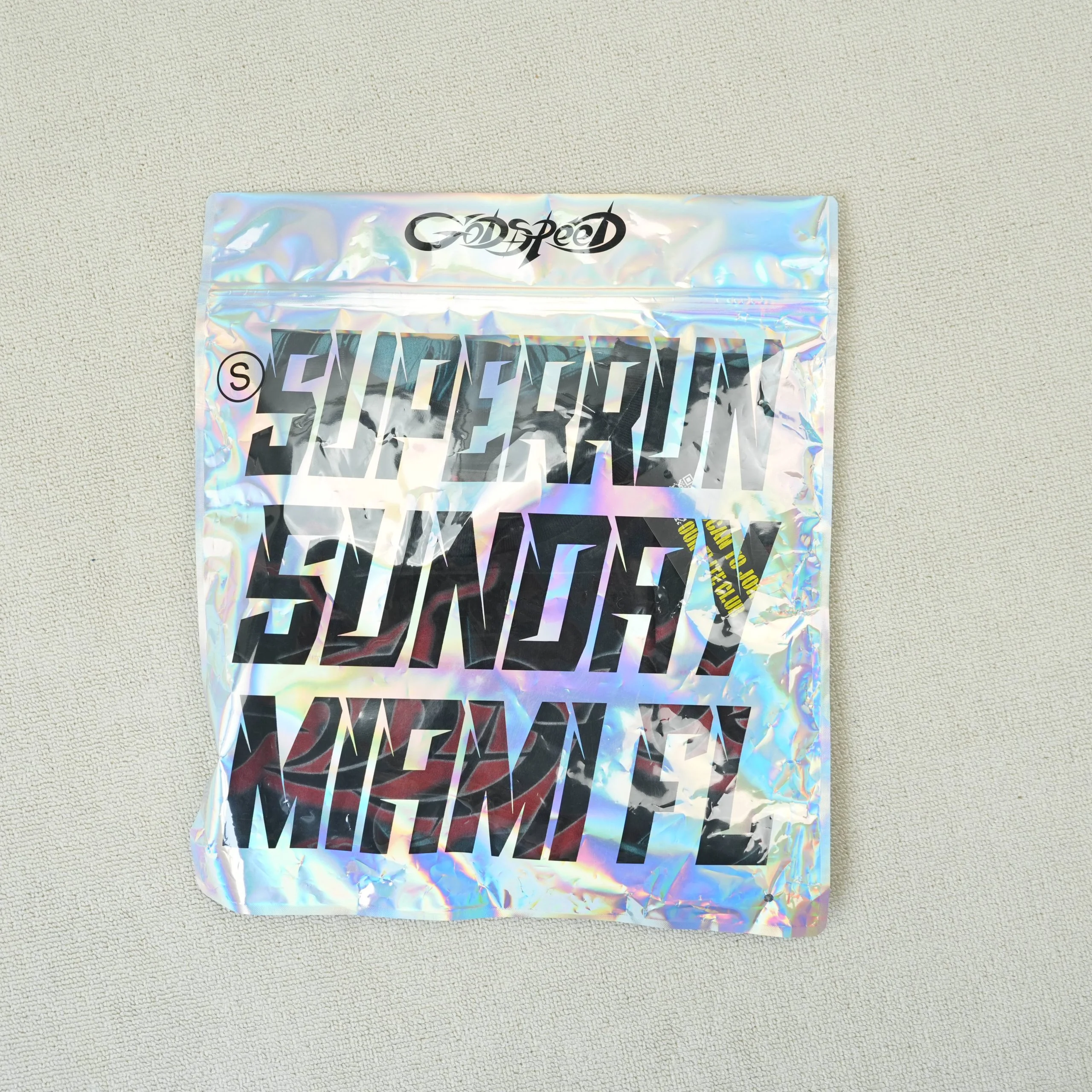
Godspeed Shirts vs. Godspeed Hoodies: A Practical Comparison
Weighing up a shirt versus a hooded piece usually depends on climate, how you like to layer, as well as how the print is intended to be showcased. The chart that follows outlines the core differences customers should think through before purchasing either piece.
| Attribute | Godspeed Shirt | Godspeed Hoodie |
|---|---|---|
| Standard Fabric Heft | Lighter, breathable cotton or cotton blend | Thicker fleece or a napped cotton mix |
| Best Time of Year | From spring into the start of fall | Cooler months, or air-conditioned indoor wear |
| Print Prominence | Complete print or embroidery distinctly visible | Often a smaller front print with a bigger back graphic |
| Layering Position | Base layer or standalone piece | Top layer worn atop a shirt or base layer |
| Care Difficulty | Simple, machine washable, quick dry | Longer drying duration, benefits from inside-out washing |
Climate and styling intent decide which option is the smarter pick — shirts work best for hotter climates or layering under jackets, while hoodies pay off for those in colder climates who use them as a primary outer layer.
Wearing Godspeed Garments Into an Daily Wardrobe
The godspeed style generally works well alongside low-key, low-contrast bottoms so the print stays the focal point. Black, olive, and stone-colored joggers or straight-leg pants are typical pairings because they don’t compete visually with striking chest or back prints. Should the graphic be understated, you have added room to add printed pants or layered jackets without the outfit feeling overdone.
Footwear choice matters more than people expect. Chunky sneakers in white or black help counterbalance an roomy silhouette, while low-profile sneakers can make a boxy hoodie look unintentionally sloppy rather than purposefully laid-back. When styling a look centered on one godspeed shirt, keep extras to a minimum — one chain or cap is typically enough before the look becomes busy.
As a solid shoulder-season option, layer a godspeed shirt under an open flannel or unzipped jacket — it offers exposure for the graphic plus extra warmth. For hoodies, a plain bomber or denim jacket layered on top keeps the silhouette tailored-looking rather than baggy, particularly useful if the hoodie itself is cut roomy.
Caring for Your Shirt or Hoodie For the Long Haul
For longer-lasting graphics, turning garments inside out before a cold wash is the best habit, because heat and abrasion wear down printed graphics fastest. Avoid tossing these pieces in with heavier items like jeans, because zippers and rivets can scrape prints during the wash process. Air drying or low-heat tumble drying maintains both the fabric structure and the graphic much more effectively than hot settings.
Pressing an iron straight onto a printed design is one of the most common ways shoppers accidentally damage a shirt within the early months of ownership. When you do need to iron, do it turned inside out or place a light cloth between the iron and the print. This single step prevents cracking or peeling on vinyl-based prints especially.
The way you store garments carries more weight than most people expect. Choosing to fold instead of hang weighty hoodies prevents shoulder stretching with prolonged use, particularly with fleece-backed garments that hold extra bulk. Keeping garments away from direct sunlight during storage also reduces color fading, which is worth considering if you’re planning to wear a piece for several years rather than a single season.
Closing Thoughts Before Purchasing
Once you’re familiar with the sizing rationale, what to expect from the fabric, and the meaning behind the name, picking up a first godspeed shirt or hoodie from this line need not be complicated. The word carries real historical weight, and that added layer deepens the meaning of a piece that might otherwise come across as nothing more than a standard graphic tee. Pay attention to real measurements instead of assumed sizes, check fabric composition before checkout, and consider the season you’ll wear it in when deciding between the shirt option and the hoodie option.
Since correct washing and storage can add years to a garment’s usable life, how you care for a piece is just as important as the original buying choice. Whether the pull is the phrase’s significance or purely its visual style, a thoughtfully picked piece of this kind should hold up to regular wear without the shape or print degrading. Invest a few minutes checking size charts and fabric information before checkout, and that first buy stands a much better chance of becoming a lasting wardrobe staple.